Style Alert: GenZ’s Preference for Maximalism
"Gen Z doesn't dress to look rich — they dress to look rare." — Alina Moreno, trend researcher, Istituto Marangoni
———————————————————————————————————————————————————————————————————————————————
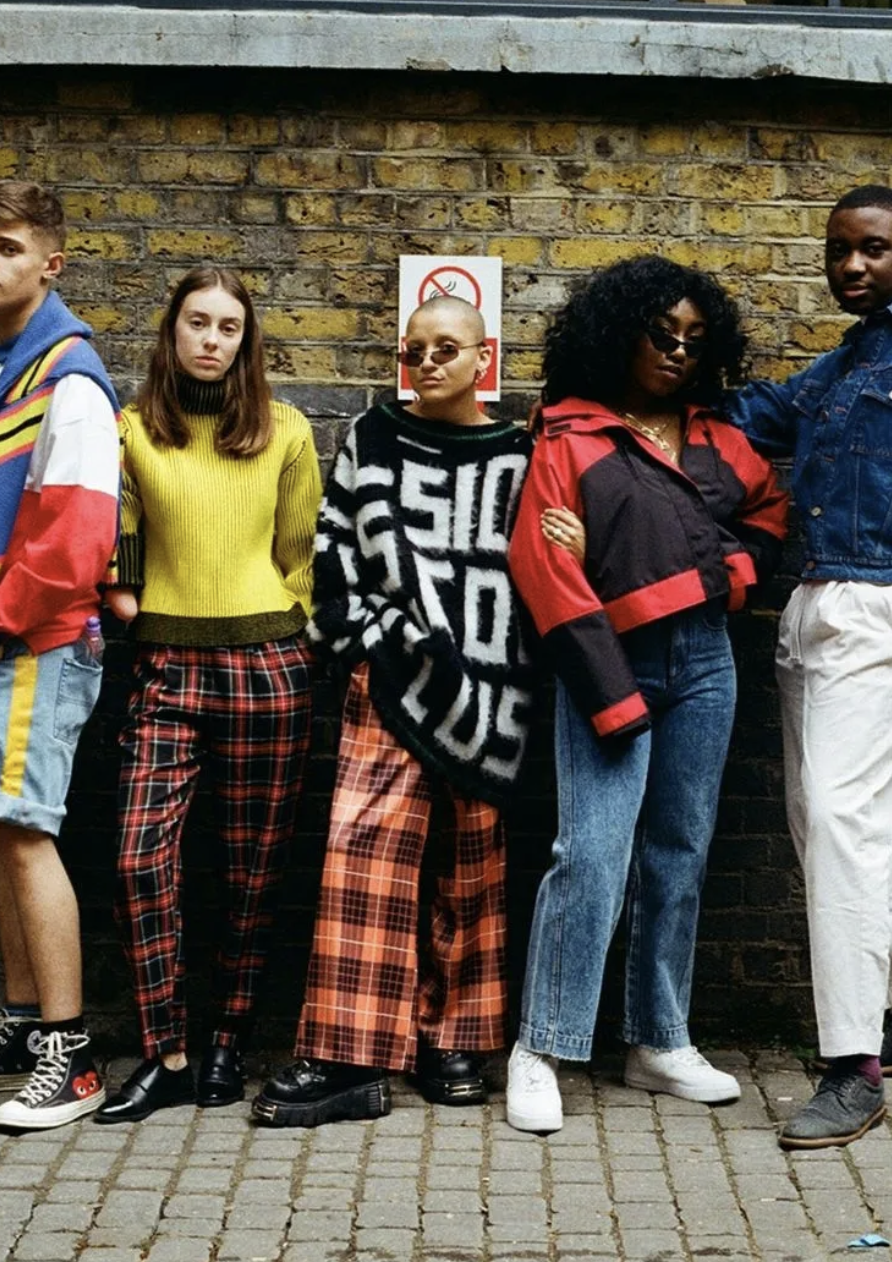
Quiet luxury is out. Maximalism is in. And for brands trying to connect with Gen Z, understanding this aesthetic is crucial.
For the past few years, conventional wisdom has dominated brand conversations about young consumers: Gen Z values minimalism, sustainability, and quiet authenticity. Get rid of the logos. Tone it down. Let the product speak. But in 2026, the aesthetic picture gets more complicated - and much more interesting.
What's emerging is a generation that is simultaneously deeply values-driven and visually chaotic. The ethos isn't "less is more." It's "more, but with meaning." And for any brand trying to be relevant with GenZ, this distinction matters.
WHAT'S REGISTERING RIGHT NOW
Y2K 2.0 — nostalgia remixed with sustainability intent (thrifted, not fast fashion) - Quiltcore/patchwork: in!
DIY and customization culture — hand-painted pieces, patches, upcycled finds
Utility and techwear — functional silhouettes, technical materials, city-to-trail dressing
Retro footwear — Puma Speedcat, Adidas Spezial, low-profile heritage runners
Vintage tech as accessory — wired headphones, retro gadgets worn as style signals - I’ve written about this as an Alpha trend previously
Chaotic layering — ironic juxtapositions that reference multiple eras simultaneously
Let’s de-construct the WHY behind Maximalism.
It would be a mistake to read this as simply "they like bright colors and busy patterns." Gen Z maximalism is structural, not decorative. It's a philosophy of self-construction: the idea that your wardrobe is a curated expression of who you are, not a passive reflection of what's on trend. And in this way, GenZ is very much like every other generation has been in the way it uses fashion as a means of self-expression.
But a key distinction is the speed with which GenZ consumes and assimilates style inspo. This generation doesn’t have to wait for trends to be published, analyzed and socialized by media and pop culture: they consume information in real time, and can implement what feels right, quickly - either by purchasing it or by making it themselves - because this generation grew up creating.
And then they post, and the feedback loop is in full swing.
Ask any one of them to describe their aesthetic and they’ll have a new name for it each day: Y2K, Cottagecore, Dark Academia, etc. mThere is an abundance of style and aesthetics content available to them, so it’s no wonder the industry has landed on Maximalism as an over-arching theme - if you look at it carefully, you’ll see it’s not just one style, but a mash-up of several styles, held together by GenZ confidence.
But here's where the insight on aesthetic gets strategically interesting: Gen Z is simultaneously the most price-conscious and the most fashion-forward spending cohort. PwC data shows they cut overall apparel spending by 13% in early 2025 — yet they still plan to spend over $1,300 per season on fashion. They are not withdrawing from fashion. They are just becoming more deliberate about it.
And the lens they use to evaluate a purchase is: Does it feel rare enough to earn social currency? Does it align with my values? Does it feel smart? Gen Z can spot performative sustainability, inauthentic creator partnerships, and brand narratives that don't hold up to scrutiny faster than any generation before them. They grew up researching on TikTok before buying, validating on Reddit, and sharing their conclusions widely. Brands that shortcut that ecosystem don't get forgiven easily.
To be clear, rarity has almost nothing to do with price. It's about the personal edit that signals taste, identity, and a refusal to look like anyone else. A thrifted vintage tee layered under a structured blazer. A hand-painted denim jacket worn with a designer bag. References that span 1990s Harajuku, Y2K maximalism, and a viral Tumblr post from 2013 - all in one outfit, worn with full irony and total confidence.
What does this mean for brands?
The strategic implication for brands isn't "be maximalist." It's "be legible." Brands that earn relevance in this space are the ones that understand what the codes mean and can participate in them authentically, without appropriating them.
That means showing up in cultural spaces before the transaction: in creator ecosystems, in limited-edition collaborations, in the IRL experiences that this "digital-first" generation increasingly craves. (As I’ve written about before, 61% of Gen Z want IRL experiences and now prefer to discover new products in-store, up sharply year over year. Shopping has become an event, a sensory experience, worth spending time on.) It means being transparent about production, pricing, and values in a way that can withstand scrutiny. And it means accepting that with this generation, the brand narrative is always co-authored — the question is only whether you're actively participating in the conversation or watching it happen without you.
Interested in co-creating with GenZ? Voxelle brings emerging consumers to you in workshops (online or in-person), focus groups and communities, helping you craft messaging, products and brand experiences authentically, together. Stay in touch with us! and we’ll keep you informed about the work we are doing.