“Chewy” is becoming a cultural aesthetic
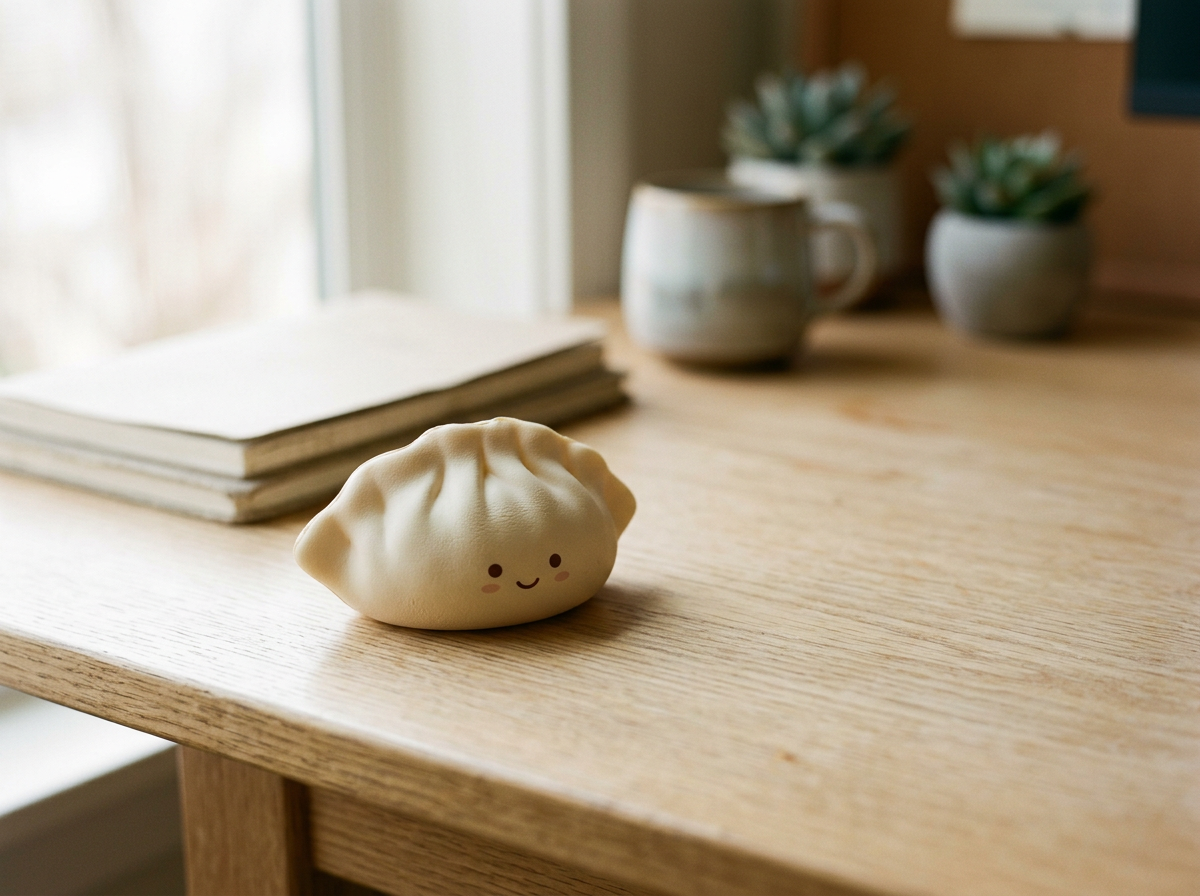
Any parent that has had to say no to their kid buying another “rare” dumpling steamer pot or throw away a used sticky banana knows about this one…and this is an interesting parallel to the conversation that is unfolding now about the dangers of AI.
The Associated Press reports rising demand for chewy, gooey, stretchy, creamy and contrasting textures reflected in everything from Nerds Gummy Clusters and boba to stretchy yogurt, whipped coffee and crackly-creamy pastries. Mintel cites online searches for qualities such as chewy, soft, gooey and melt-in-the-mouth are rising rapidly, and the aesthetic extends beyond food to squishy toys and jelly-textured beauty products.
But this is more than a product-development fad: in a tech-saturated culture, tactility gives consumers something a screen cannot fully deliver - surprise, play, sensory pleasure and embodied experience. I’ve heard some GenAlphas refer to them as “emotional support” - the new fidgets - and they’re not lying - there is a real human insight behind this.
I’m watching “sensory richness” as a broader countertrend to digital life across categories, from food to self-care to toys and even apparel and accessories - particularly those products being designed for Gen Z and Alpha. Brands across categories - and inventing new ones - can ask not only how does our product look?, but what does it feel like to touch, open, squeeze, bite, wear or use? And do those sensory experiences deliver adequately on a distinct difference from what technology does?
My prediction is, eventually the disposable versions (non-edible) of this phenomenon will face a backlash by consumers, and manufacturers will need to find more sustainable designs that incorporate similar tactile experiences. Product designers: take note.