How the Victoria’s Secret Fashion Show Found Its Way Back to Gens Z and Alpha
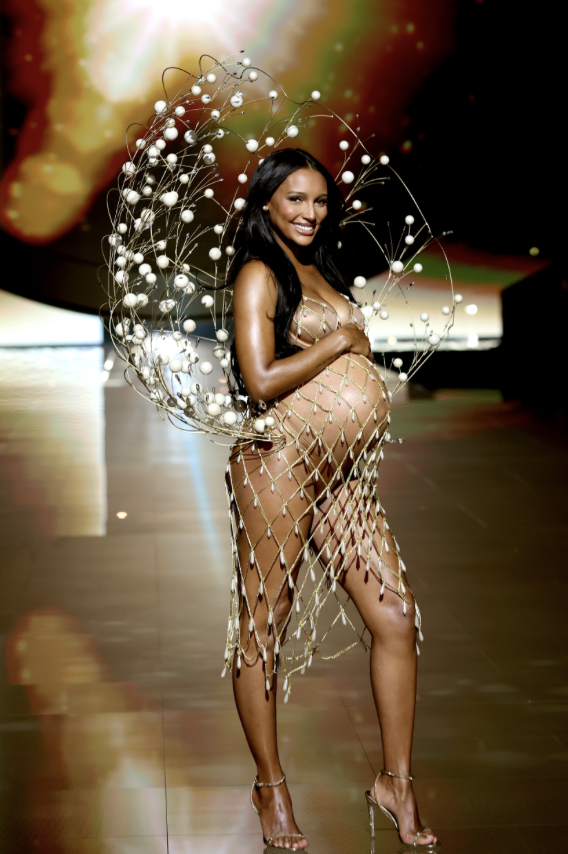
The Victoria’s Secret Fashion Show used to be a TV event. By 2018 it drew just 3.27 million broadcast viewers, down from a high of 12.4 million in 2001. Then it came back as something different: a show built for social media, not the living room.
This year’s numbers tell a comeback story. The 2026 show, which streamed live from Los Angeles on October 18, drew over 10 million viewers. That follows a 2025 show that hit more than 2.5 million peak concurrent viewers, kept nearly 2 million watching through the whole runtime, and reached over 50 million global live and on-demand views. After that show, the brand gained 5.5 million new followers in 24 hours.
What’s working for younger viewers:
Free and everywhere. The show streamed live on the brand’s YouTube channel, and searching the show’s name on YouTube leads straight to official streams, highlights and behind-the-scenes content. No cable, no paywall.
A build-up, not a one-night event. Episodes of the docuseries followed the casting search, and fans could win tickets through a weekly ticket drop. Gen Z and Alpha got a story to follow, not just a show to watch.
A lineup that reflects their taste. This year’s performers were all women, including KATSEYE, Megan Thee Stallion and Tate McRae.
Creators in the mix. In 2024, Victoria’s Secret invited Gen Z influencers to experience the show in person, and the 2025 show set off a creator-driven surge across sports, music and Gen Z communities.
“No inherited baggage,” according to the brand. Victoria’s Secret CEO Hillary Super argues that today’s Gen Z viewer didn’t grow up with the body image trauma millennials did, having been raised by Gen X moms who tried not to pass on their own body issues. In her view, Gen Z can enjoy the Angels as fun rather than as aspirational or triggering (Fortune, Feb. 2026). It’s a perspective from the brand’s own leadership, not independent research, however.
The Voxelle take: The show is winning by treating the audience as participants: watching, shopping, creating and commenting in real time. That’s the lesson for any brand courting Gen Z and Alpha. Don’t just broadcast to them. Give them a way in.
One caution: viewership isn’t the same as affinity, and the body image and inclusion conversation is likely to resurface. CivicScience data found Gen Z and young Millennials the most likely to say they’d watch, alongside criticism that young viewers were being exposed to unhealthy body standards and a lack of size diversity. YPulse reported in 2023 that some older Gen Z, who grew up as the brand shifted toward inclusivity, were already pushing back on the show’s return. The brand’s casting is more varied now, but each new show reopens the question. Gen Alpha’s reaction, meanwhile, is still largely unmeasured. We’ll be listening for more about this.